
How to Choose the Right Security Camera: A Comprehensive Guide
Security cameras have become essential tools for protecting homes and businesses. With a vast array of options available, selecting the right camera can be overwhelming. This guide will walk you through the key factors to consider when choosing a security camera that fits your specific needs.
Key Factors to Consider
1. Purpose and Location
- Indoor vs. Outdoor Use: Outdoor cameras need weather resistance (look for IP65 or higher ratings). Indoor cameras may prioritize aesthetics and discretion.
- Coverage Area: Determine whether you need to monitor a wide area (like a yard) or a specific entry point (like a front door).
2. Camera Types
- Dome Cameras: Discreet and vandal-resistant, ideal for indoor retail spaces.
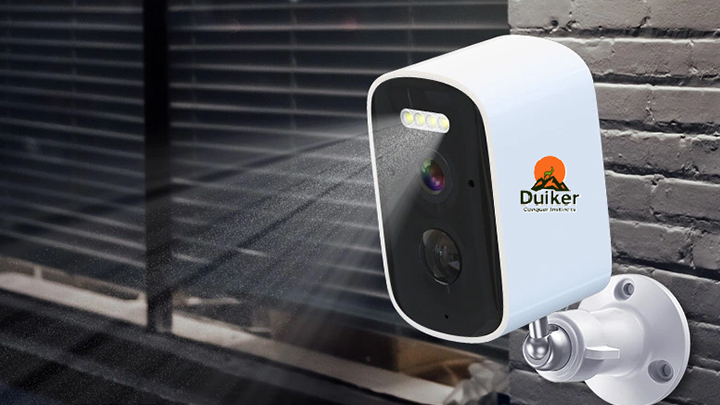
- Bullet Cameras: Visible deterrents with long-range visibility, suitable for outdoor perimeter monitoring.
- PTZ (Pan-Tilt-Zoom) Cameras: Remotely controllable to track movement and zoom in on details.
- Hidden/Discreet Cameras: For covert surveillance where visibility might compromise monitoring.
3. Resolution and Image Quality
- HD (720p): Basic clarity suitable for general monitoring.
- Full HD (1080p): Standard for most modern systems, offering clear facial and license plate recognition at moderate distances.
- 4K Ultra HD: Superior detail for large areas or critical identification, but requires more storage and bandwidth.
4. Field of View
- Wide-angle lenses (100°+) cover more area with fewer cameras.
- Narrower angles provide more detail at greater distances.
5. Connectivity and Power
- Wired (PoE): Reliable and provides power through Ethernet cables, but requires professional installation.
- Wireless (Wi-Fi): Easier installation with flexible placement, but dependent on network stability.
- Battery-Powered: Maximum flexibility but requires regular recharging/replacement.
6. Night Vision
- Infrared (IR) LEDs: Common in most cameras, providing black-and-white footage in complete darkness (range varies from 20 to 100 feet).
- Color Night Vision: Some cameras use ambient light or starlight sensors to maintain color footage at night.
7. Smart Features
- Motion Detection & Alerts: Sends notifications when movement is detected.
- Person/Package/Vehicle Detection: Reduces false alarms by distinguishing between relevant and irrelevant motion.
- Two-Way Audio: Allows communication through the camera.
- Cloud vs. Local Storage: Cloud storage offers remote access but requires subscription; local storage (SD cards/NVRs) provides one-time cost but limited accessibility.
8. Integration and Compatibility
- Check compatibility with existing smart home ecosystems (Amazon Alexa, Google Assistant, Apple HomeKit).
- Ensure mobile app functionality meets your needs for remote viewing and management.
Recommended Camera Selection Based on Needs
| Use Case | Recommended Type | Key Features to Prioritize |
|---|---|---|
| Front Door Monitoring | Doorbell Camera or Small Bullet Camera | Two-way audio, person detection, high-resolution |
| Backyard/Garden | Weather-resistant Bullet or Dome | Wide field of view, night vision (50ft+), motion zones |
| Baby/Nanny Monitoring | Indoor Pan/Tilt Camera | Privacy shutter, cry detection, high-quality audio |
| Business Surveillance | PoE Dome or PTZ Camera | Continuous recording, vandal resistance, remote management |
| Vacation Home | Battery Wireless Camera | Solar charging option, cellular backup, strong motion alerts |
Budget Considerations
Security cameras range from $30 for basic indoor models to $500+ for professional-grade systems. Consider:
- Total cost of ownership (including subscriptions, storage, and accessories)
- Installation costs for wired systems
- Long-term value of features that prevent future upgrades
Privacy and Legal Considerations
Always:
- Inform household members and visitors about surveillance in common areas
- Check local laws regarding audio recording and pointing cameras at public spaces/neighbor properties
- Secure your camera system with strong passwords and two-factor authentication
Conclusion
Choosing the right security camera involves balancing technical specifications with practical needs. Start by defining what you need to monitor and why, then select cameras that offer the appropriate features within your budget. Remember that the best security system is one that you'll actually use consistently, so prioritize reliability and user experience alongside technical capabilities.
By carefully considering these factors, you can build a surveillance system that provides peace of mind without unnecessary complexity or expense.